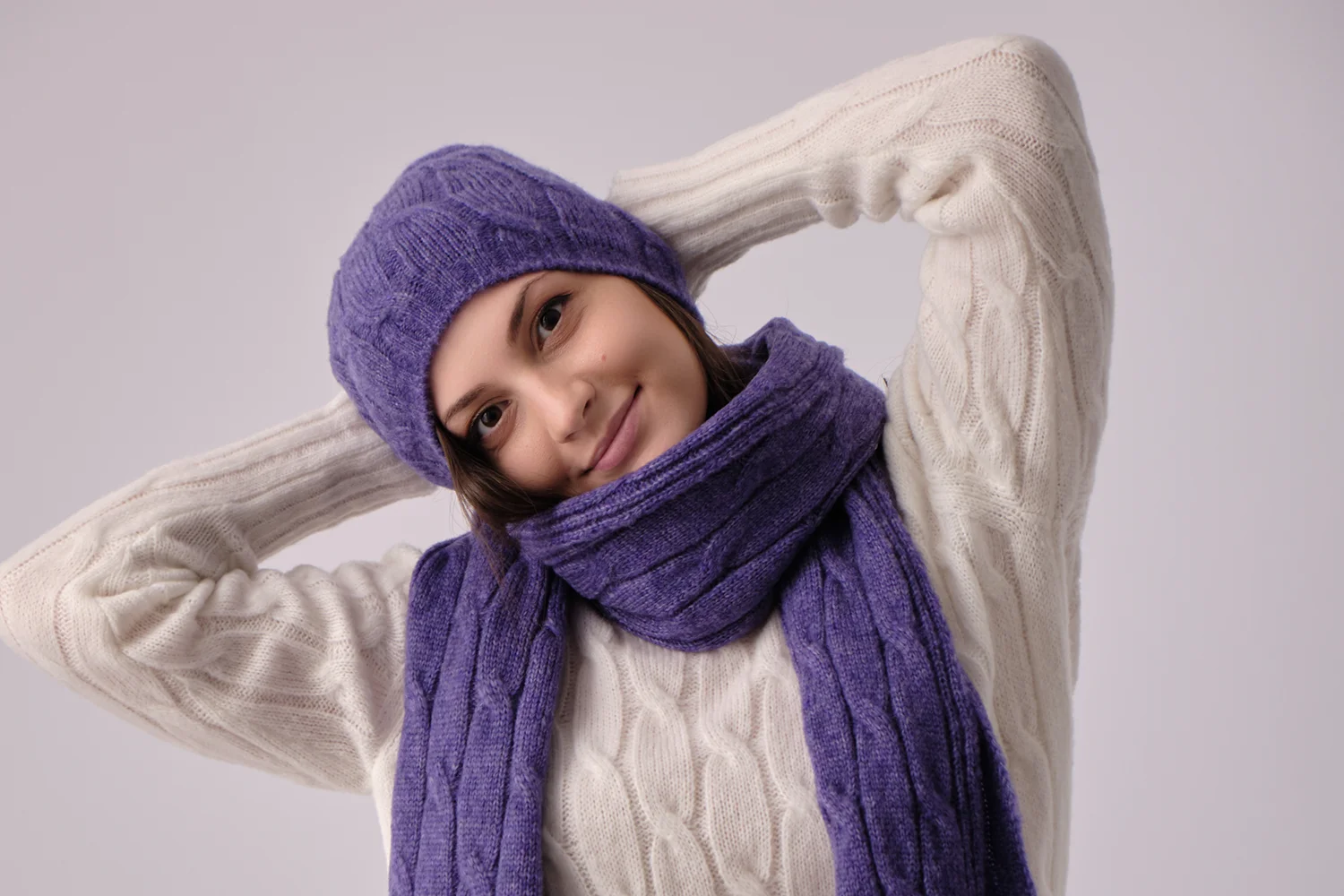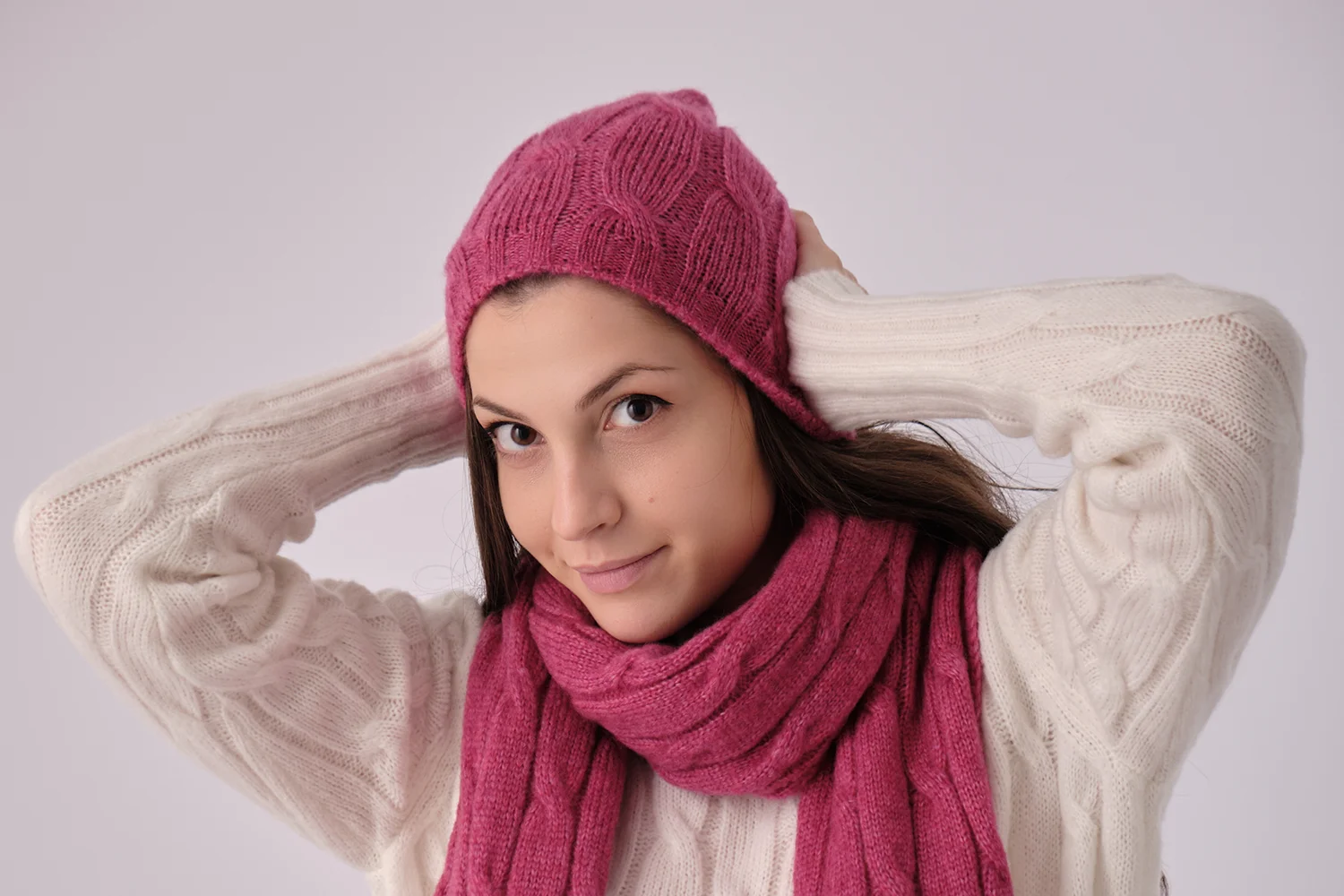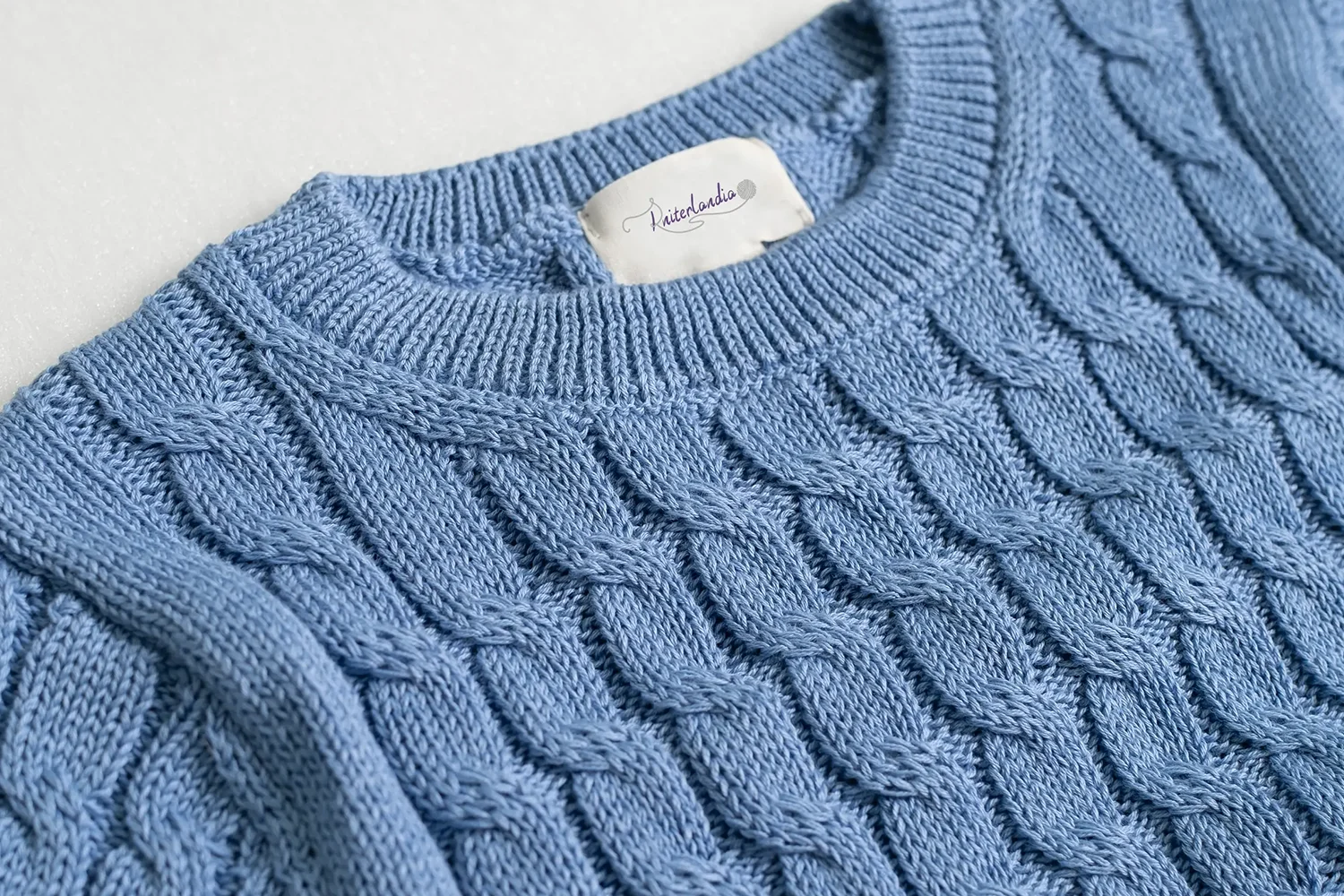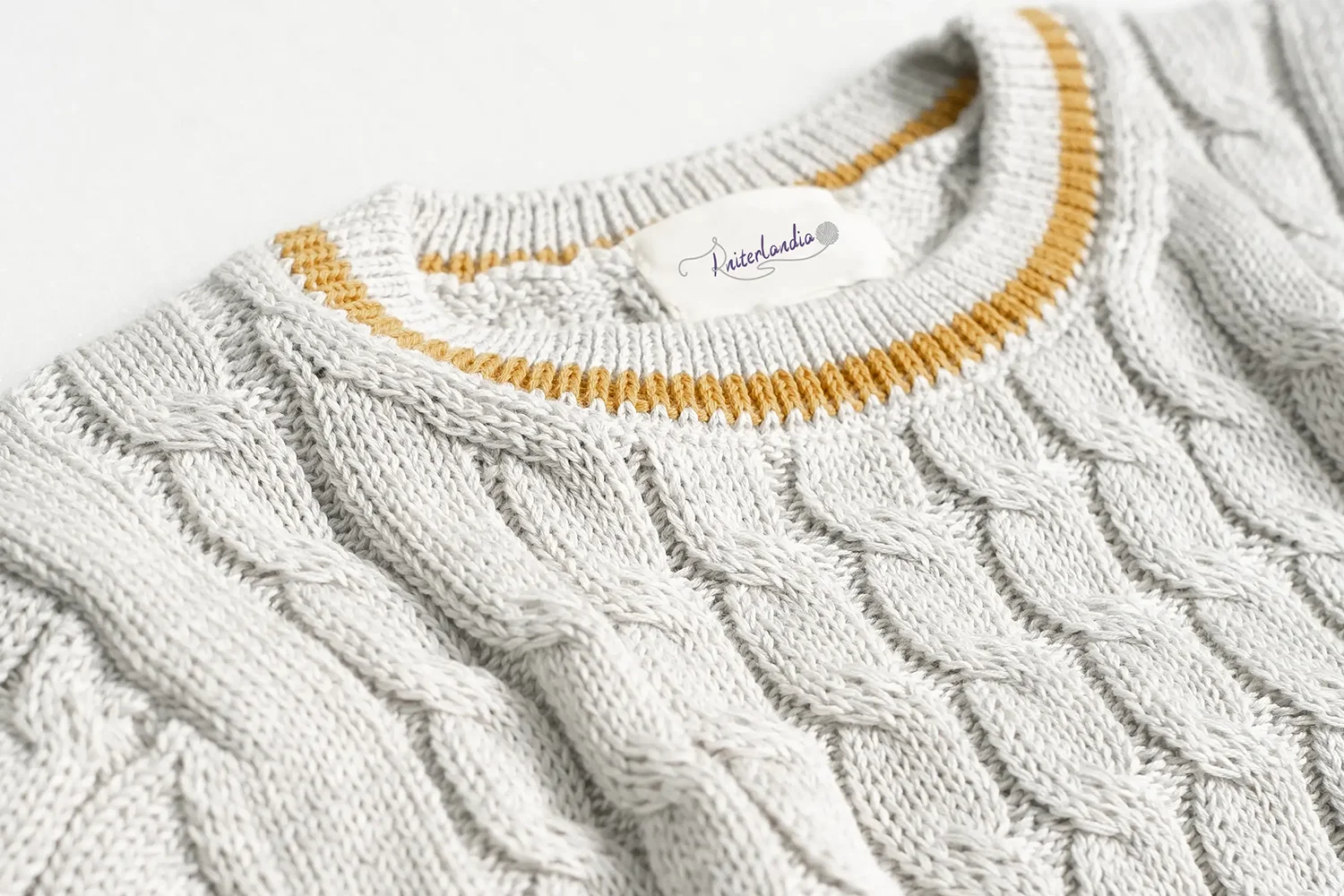
I’m Dimo Chankov, the son of Velichka and Chanko, and the second generation continuing what my parents began. I grew up surrounded by yarn, needles, and the quiet hum of knitting machines. My parents started our family factory in Bulgaria at a time when everything around us was changing, the economy, the country, the way people dressed. What never changed was their belief that real craftsmanship mattered. Today, Kniterlandia carries that belief forward.
When my mother began knitting in the late 1990s, everything was done with simple hand operated machines, the kind you start by hand and patiently guide as each stitch takes shape. There was no linking yet, no automated systems, only practice, precision, and a lot of heart. She sewed the pieces together on small sewing and overlock machines, learning through trial and error what would one day become the foundation of our family craft.
My father helped whenever he could. He worked another job at the time but spent evenings maintaining the knitting machines, often buying broken ones just for parts to keep ours running. In 2005 we made a big step forward: our first Shima Seiki machine, a leap from hand knitting to professional design. By 2007, we had a second one, and my father took over the software side, where every design begins after sketching it on paper. With every piece, we learned something new, the importance of linking, the precision of finishing, the endless possibilities of knitwear.
Back then, the craft was alive and thriving. The industry in Bulgaria was improving, people were proud of what they could make with their hands. But after 2010, everything began to change. Imported, mass produced stock flooded the market, and with the rise of online platforms, price became the only thing that mattered. Many factories that had been improving for decades started to close their doors. Today, with mass dropshipping and ultra cheap clothing dominating the internet, craftsmanship faces its hardest moment yet.
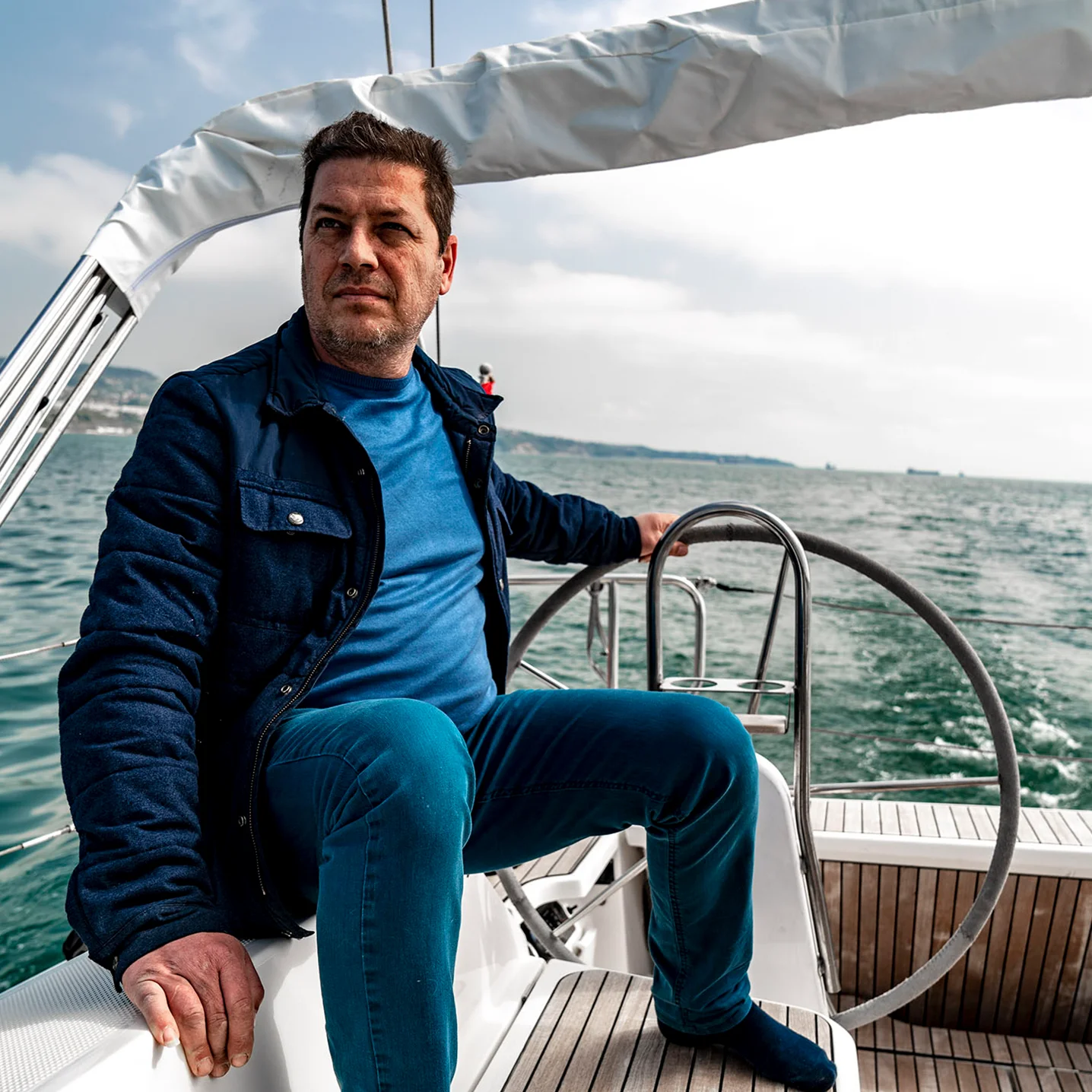
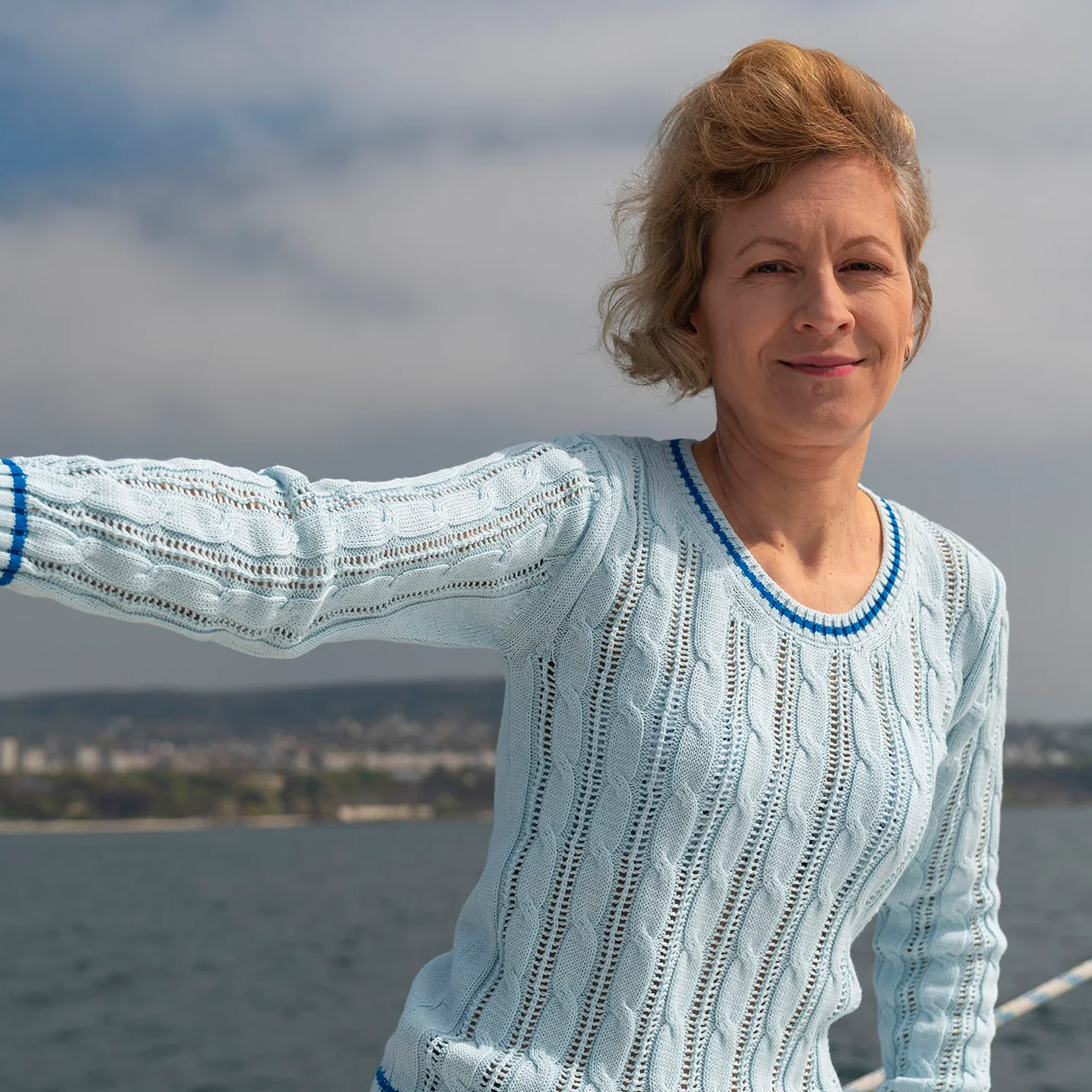
Through all of it, my mother never stopped creating. She researched designs, sketched her own, selected the right yarns, and did the linking once the panels were knitted. With every piece, she refined the process, adjusting a neckline, reshaping an armhole, changing the density until the piece felt exactly right. Her hands guided the evolution of every design we made.
That belief, that only care creates quality, shaped everything I know. When I founded Kniterlandia, I didn’t want to start something new. I wanted to protect something that shouldn’t be lost.
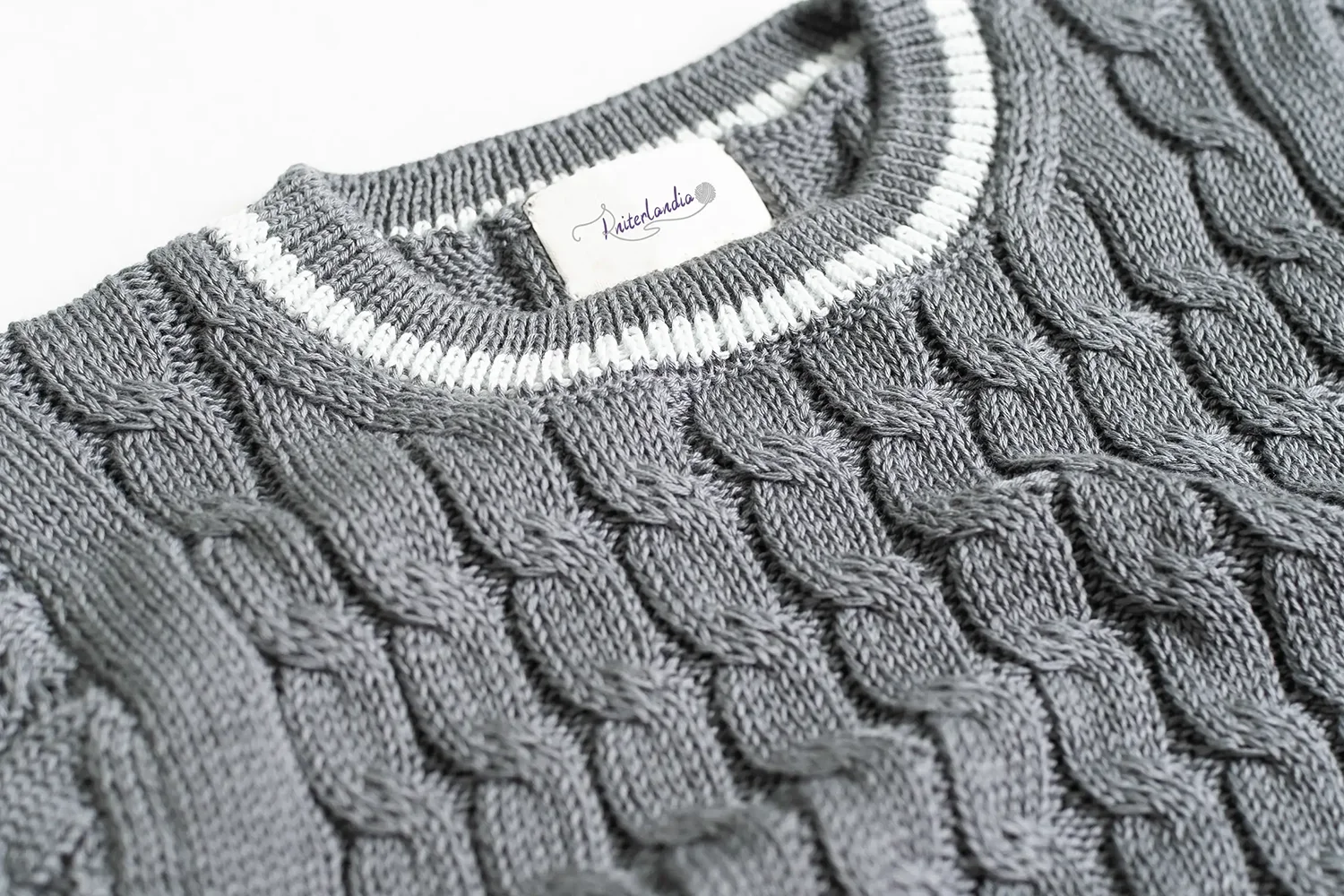
In a world that celebrates shortcuts, we choose to take the long way. Every Kniterlandia design still passes through our family’s hands, from the first paper sketch to the final press. We keep the process close, because that’s where the difference lives, in the quiet precision of linking, in the finishing of a neckline, in the way a piece feels when you wear it years later.
With every piece, we refine what we do, never rushing, always improving. Our team includes craftsmen and craftswomen with decades of experience, people who understand that true quality takes time. We continue to invest in modern technology, not to replace skilled hands, but to preserve and strengthen the knitwear craft itself. Progress, for us, means ensuring that this knowledge lives on, improved, refined, and ready for the next generation.
When you hold a Kniterlandia piece, you’re holding hours of work, not from a line of machines, but from people who care. Craftsmanship isn’t nostalgia for us, it’s our answer to a world that forgot how things are made. We believe beauty isn’t about perfection, but about permanence, about the feeling that something was made to stay with you.
In recent years, Kniterlandia has been reborn. My parents remain at the heart of our production, and Alex van der Wal has now joined me in shaping its next chapter. He leads the technical and digital side of the brand, from the website to the systems that power our growth, and will soon help expand our marketing efforts. Together, we’re combining craftsmanship and technology to ensure that the spirit of Kniterlandia not only survives, but thrives for generations to come.
Thank you for reading our story to the end! To show our gratitude, you can use the code Craftsmanship10 for 10% off your first order.
A recent episode of the consumer programme Keuringsdienst van Waarde sparked a wide-ranging conversation about merino wool and the welfare of the sheep from which it comes. We recognise the concerns raised and believe this moment offers an opportunity to explain how Kniterlandia approaches sourcing, craftsmanship and transparency. Our intention is simple: to speak with clarity and respect about what we do and why.
Merino wool is one of nature’s most refined fibres. It regulates temperature, resists odours and offers comfort that spans seasons. For Kniterlandia, choosing merino wool is not only about performance—it is about honouring material quality and timeless wear.
We evaluate each yarn for softness, strength and traceability before it becomes part of a garment. Our design process begins with the fibre, ensuring every finished piece aligns with our standards of durability and elegance.
Learn more in Merino Wool: The Ultimate Guide about our commitment to natural materials and how superior fibres support long-lasting knitwear.
The episode of Keuringsdienst van Waarde explored the term ‘mulesing free’ on merino wool garments, and traced the broader implications of the wool supply chain. It highlighted that around 80% of the world’s merino wool comes from Australia, where mulesing is still widely practised.
It revealed that even when certification such as the Responsible Wool Standard (RWS) is present, chain complexity can still limit full traceability and absolute guarantees.
At Kniterlandia we use only merino wool certified under the Responsible Wool Standard. This means that the wool is linked to farms where animal welfare and land stewardship are audited and certified. The standard prohibits mulesing and requires humane treatment and traceability.
We request and review the certification documentation from our suppliers each year. While RWS addresses a small portion of the global wool market, to us it represents a meaningful step toward responsible sourcing. It is not a perfect solution, but it aligns with our commitment to integrity.
We have chosen not to make the claim that our merino wool is completely mulesing free, even though RWS prohibits the practice. The reason is straightforward: the global wool supply chain is vast and layered, and no brand can claim direct control over every farm and every fibre unless it owns the entire chain.
Kniterlandia is a family-run brand, not a vertically integrated wool producer. We work with trusted partners whose values align with ours, yet we believe that true transparency means acknowledging what we can and cannot control. Better to be honest than to overstate. For us, honesty reflects respect—for our customers, for the craft, and for the animals.
Sustainability, in our view, begins with durability, responsibility and respect. It is not defined only by labels but by how long a garment will endure and how it has been made. Merino wool supports this view when it is responsibly sourced and expertly crafted.
Each piece from Kniterlandia is designed to be worn year after year. With proper care, a merino jumper retains shape, texture and warmth for many seasons. This longevity is central to our belief that the most sustainable garment is the one you keep.
See our merino knitwear care guide for practical advice on maintaining your merino wool pieces.
From the moment the fibre is selected to the final stitch, craftsmanship is anchored in respect for materials, people and environment. Our knitwear is produced in workshops where quality, detail and care matter. The merino wool we choose allows us to realise knitwear that is elegant, structured and enduring.
Before a garment leaves our workshop it undergoes rigorous inspection—not just for fit, but for overall harmony of feel, texture and finish. When you choose a Kniterlandia piece, you receive not simply a garment but a promise of craftsmanship done with attention and sincerity.
We appreciate the attention generated by the recent episode and the questions it raises. These moments reinforce that responsibility is not static—it must be reaffirmed with every collection. We will continue to choose responsibly certified materials, maintain transparent supply chains and share our practices openly. Our commitment is not to marketing claims but to meaningful action grounded in our values.
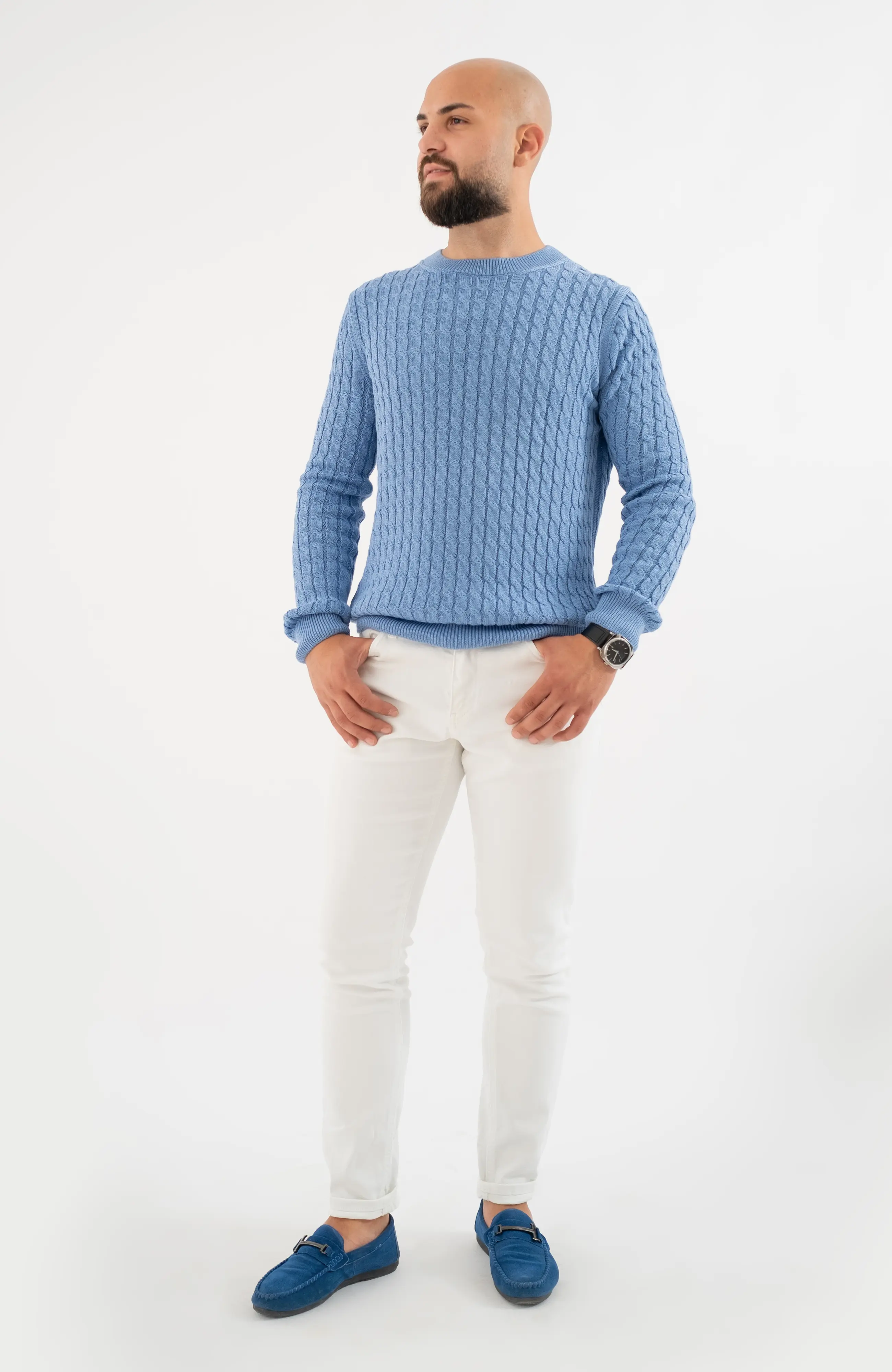
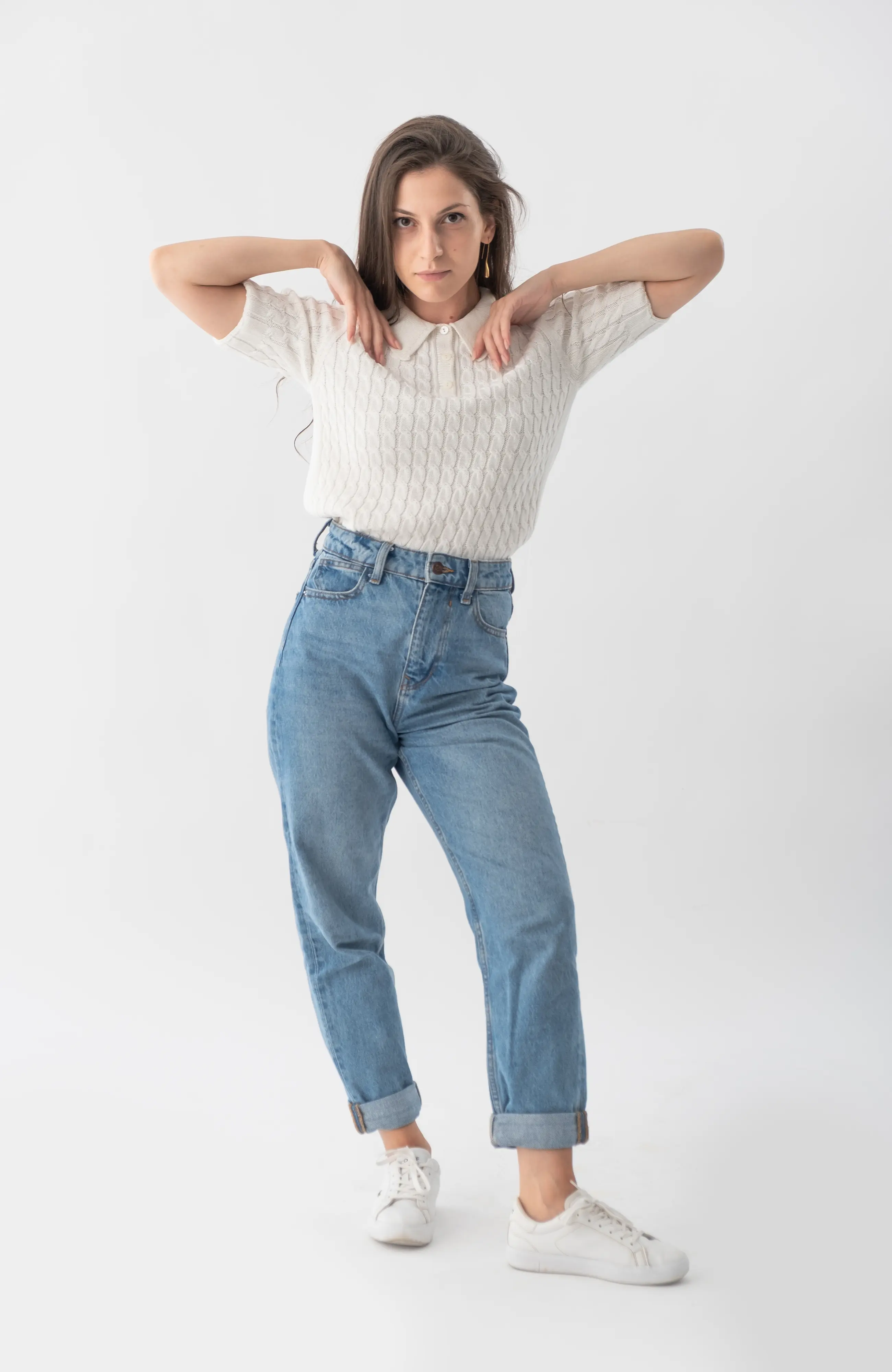
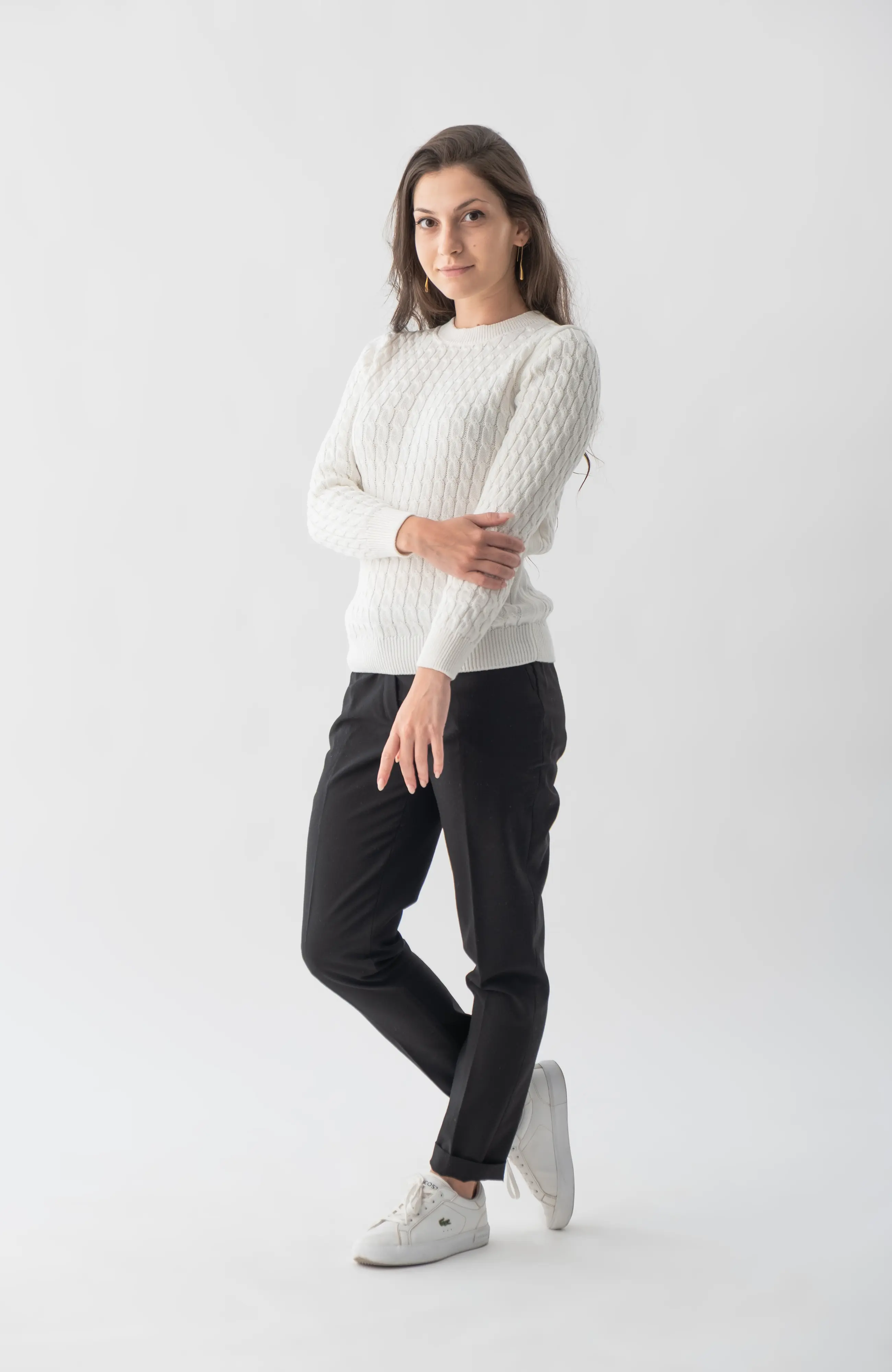
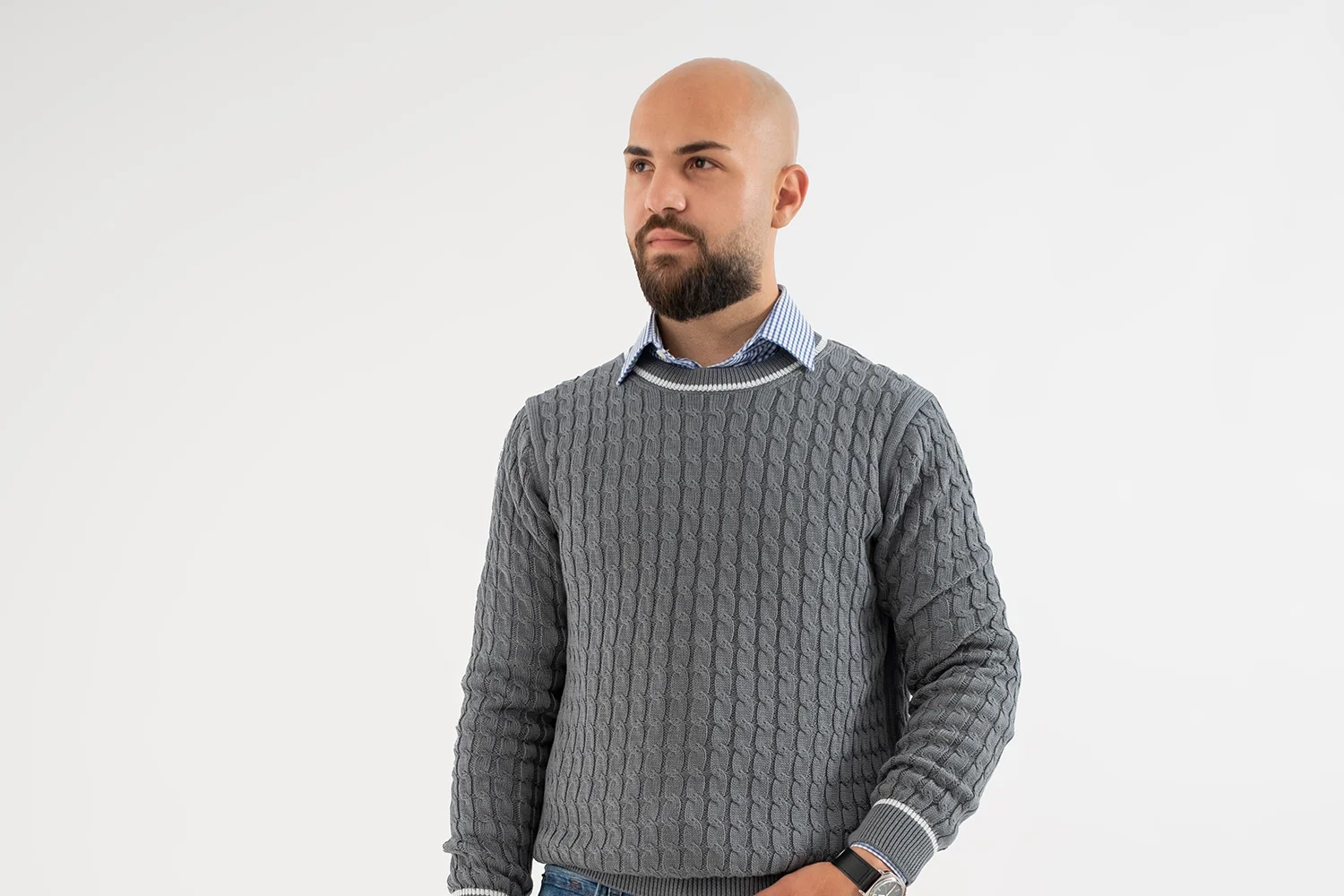
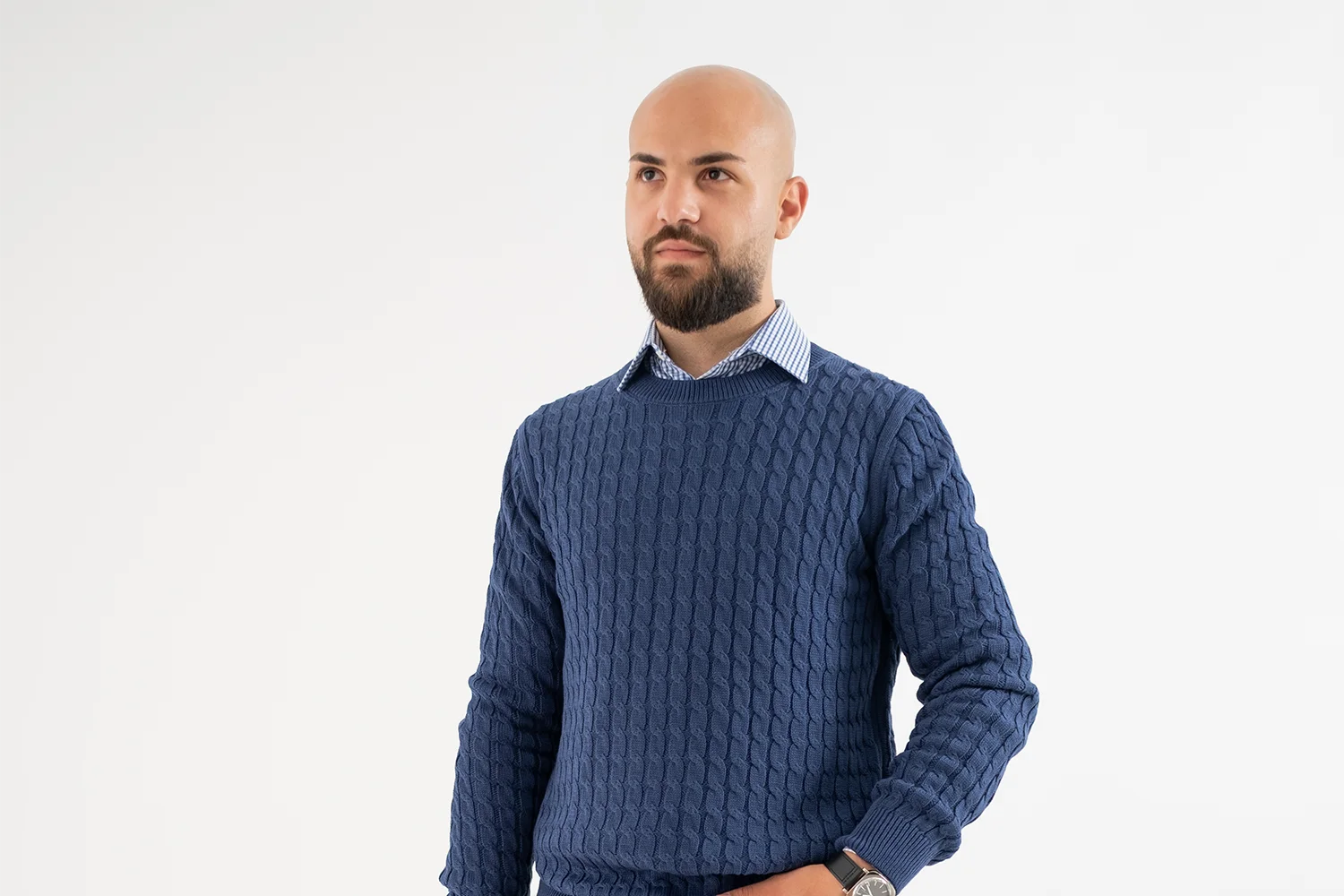
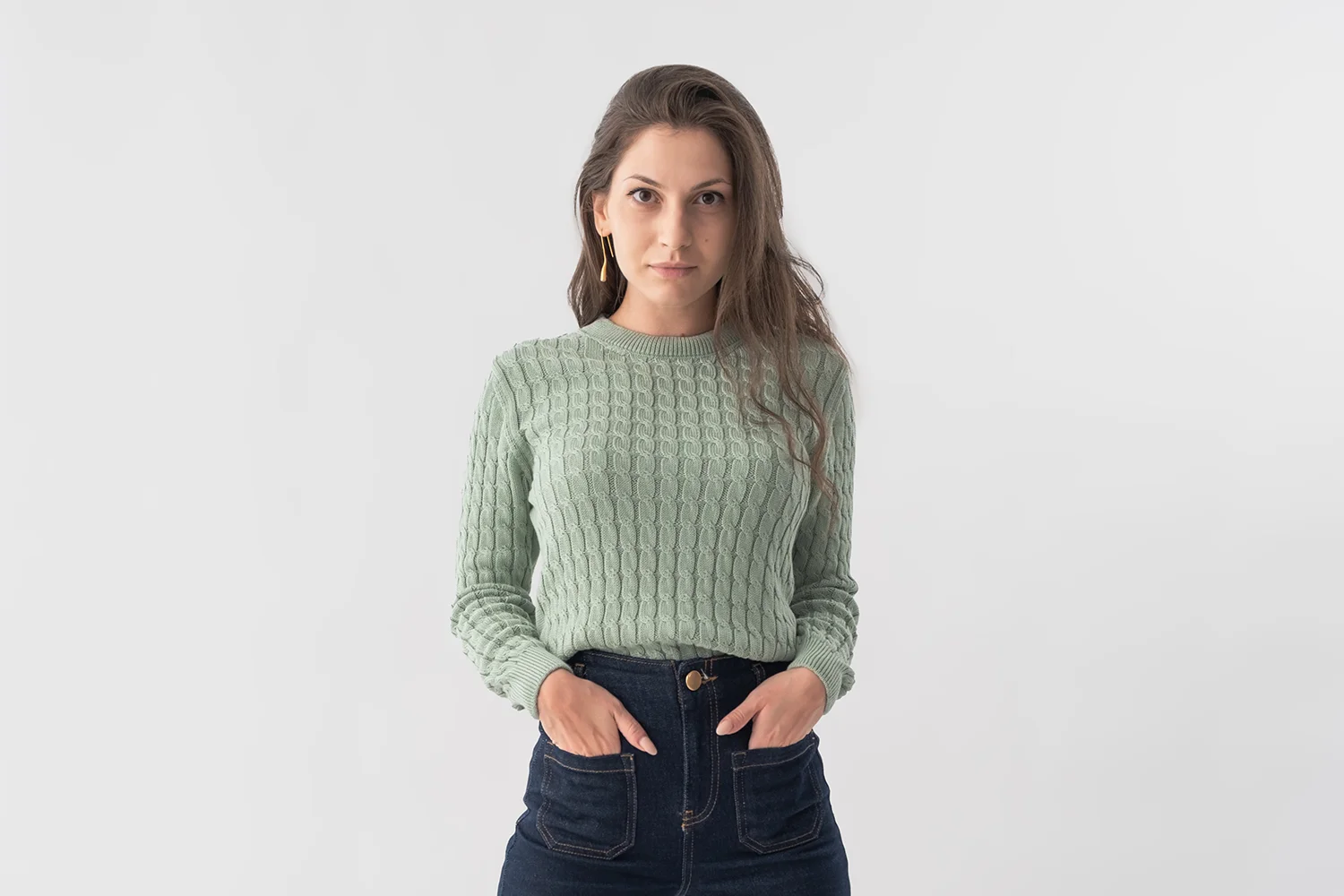
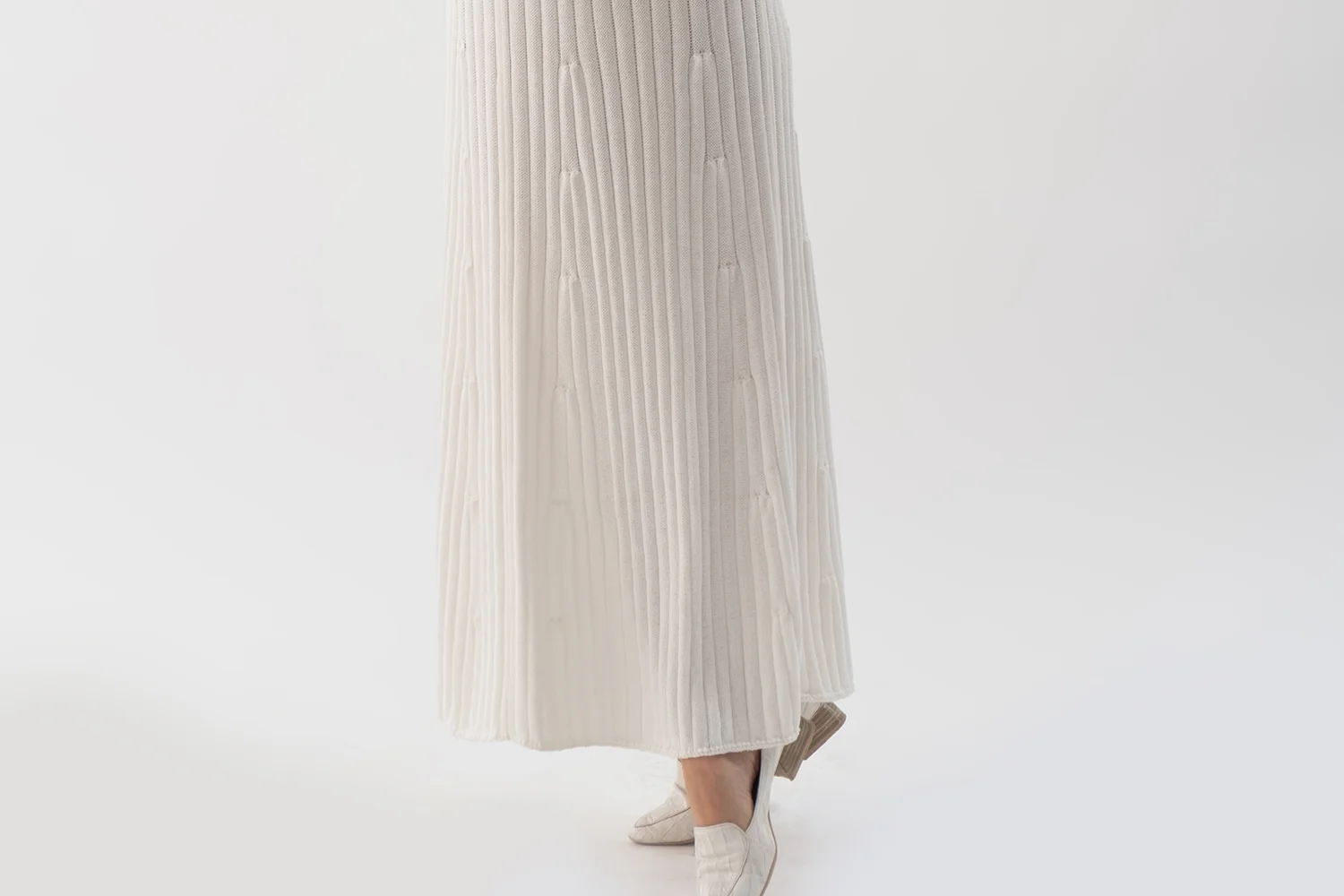
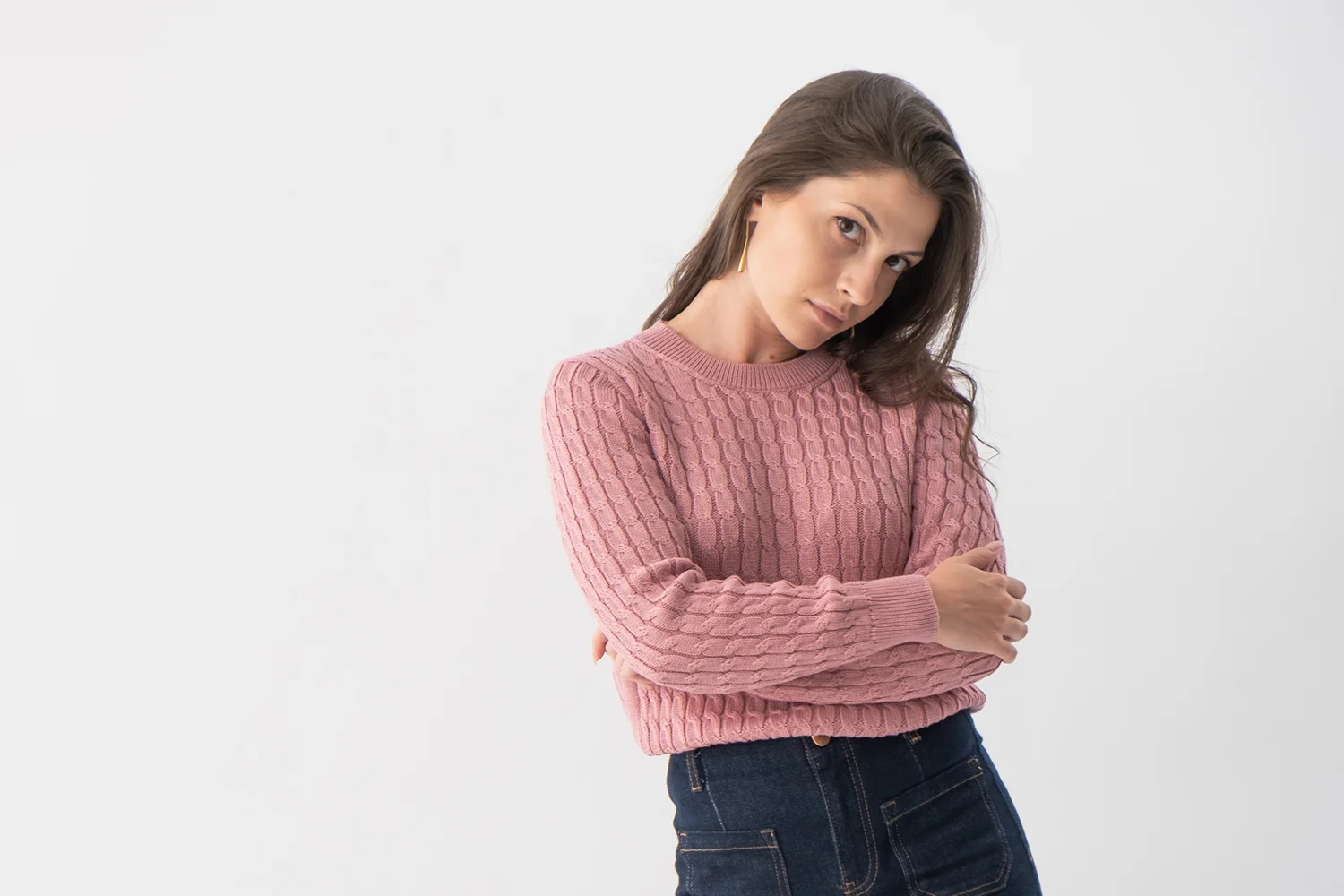
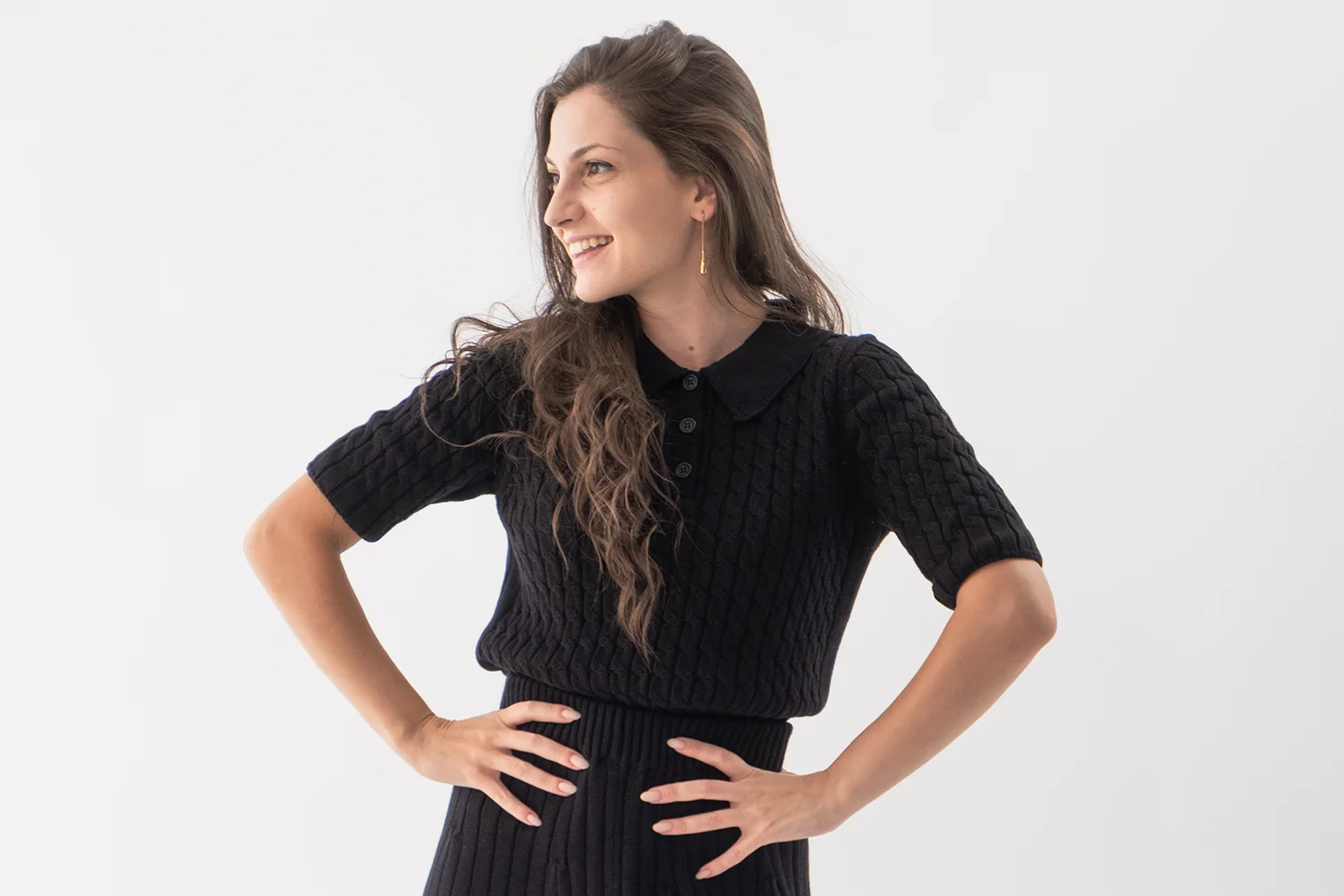
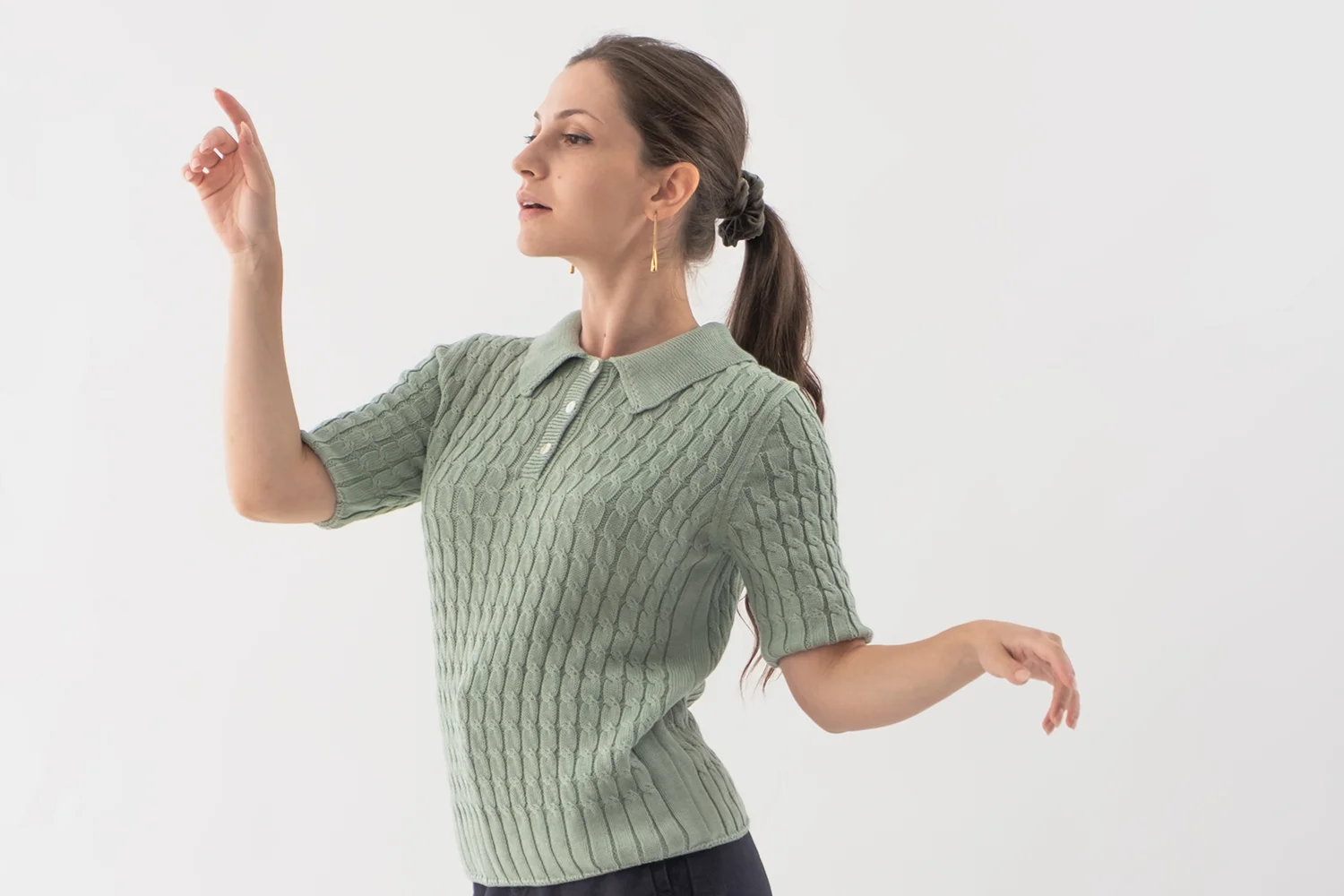
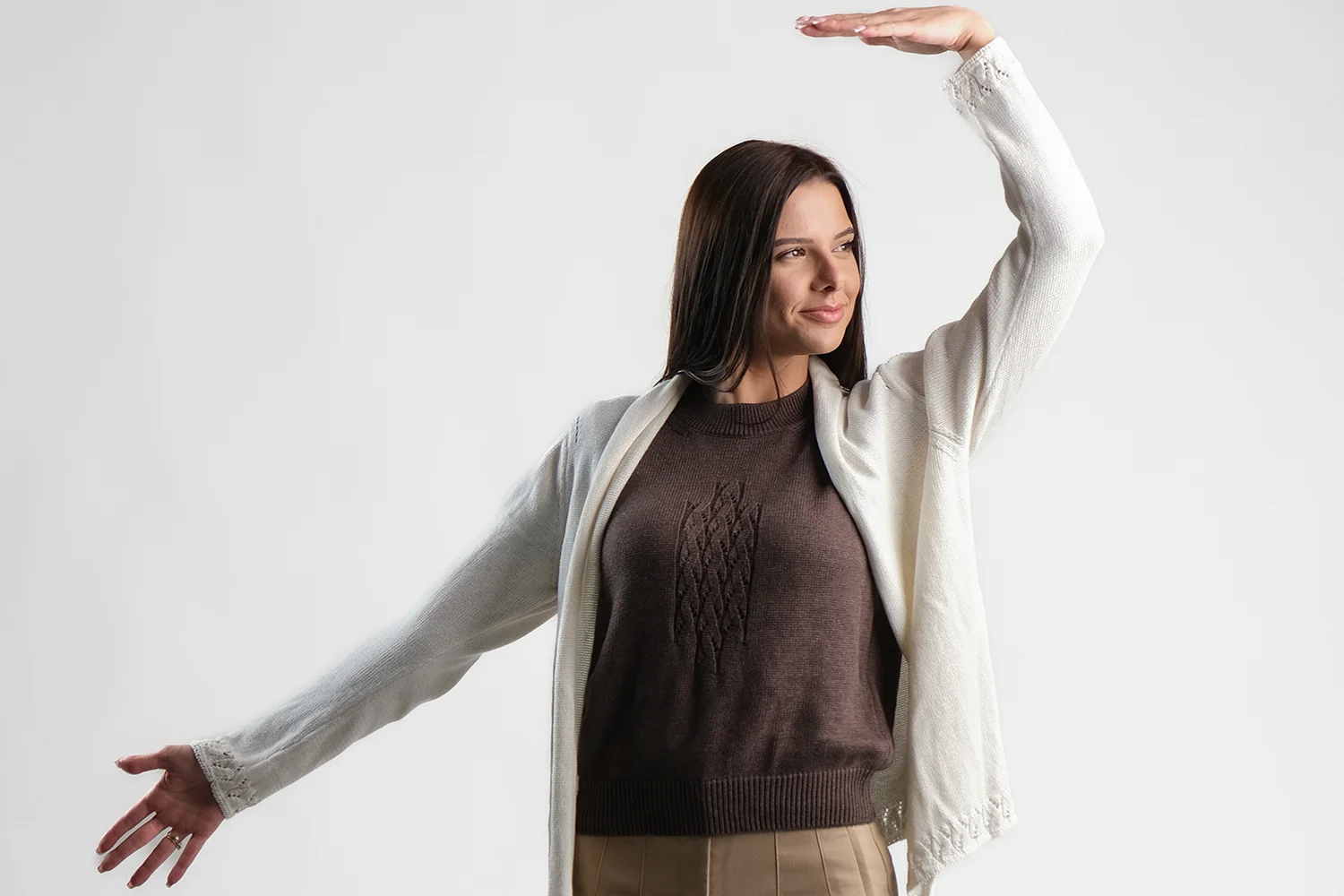
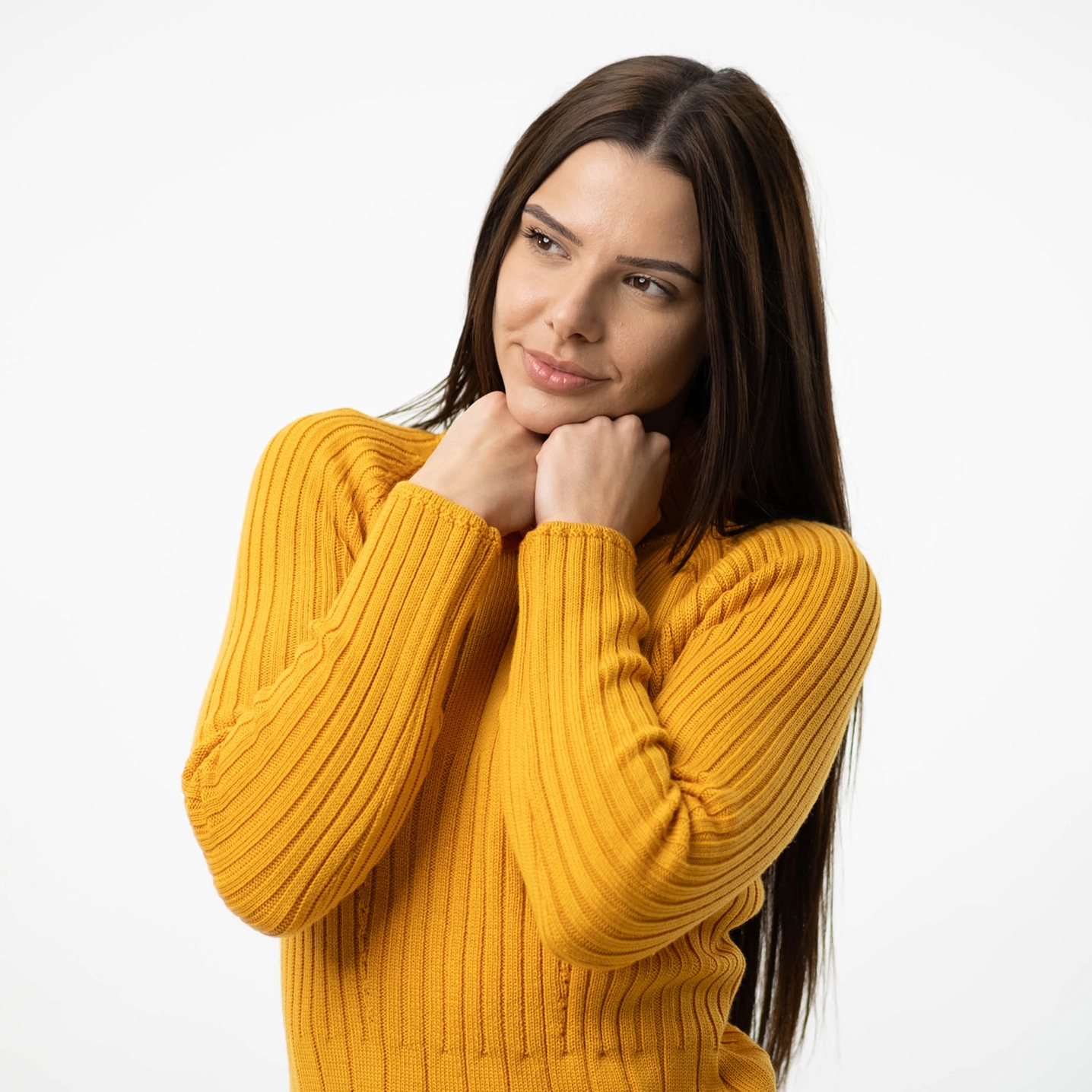
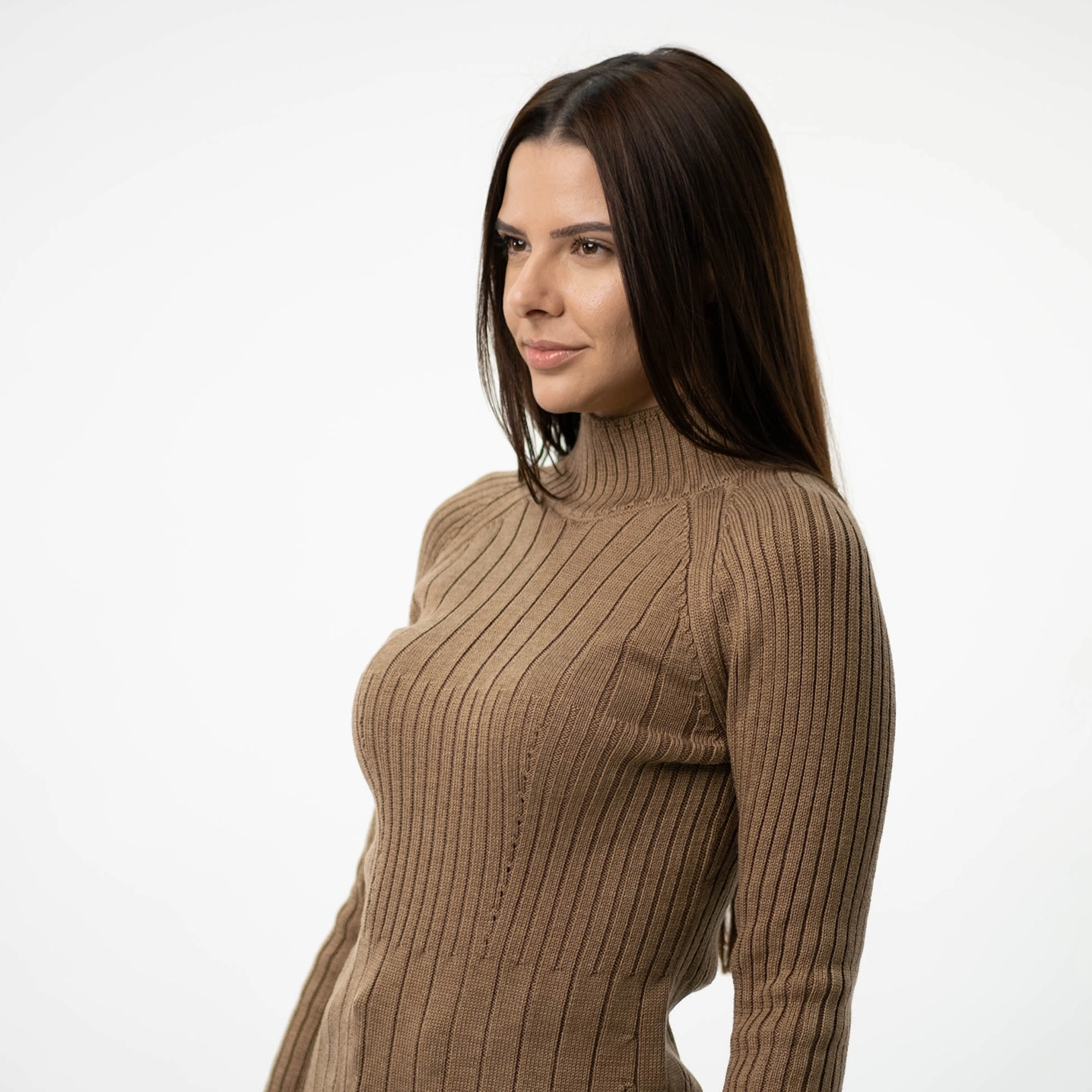
The designs below reflect our belief that true craftsmanship is felt in every detail, from the first stitch to the final touch.